
The 6 Disciplines of Strategic Thinking and the invisible gorilla

What truly separates the ordinary from the extraordinary? The good from the great? in leadership? It’s not merely the ability to manage day-to-day operations or execute public relations tasks efficiently. It’s the art and discipline of strategic thinking.
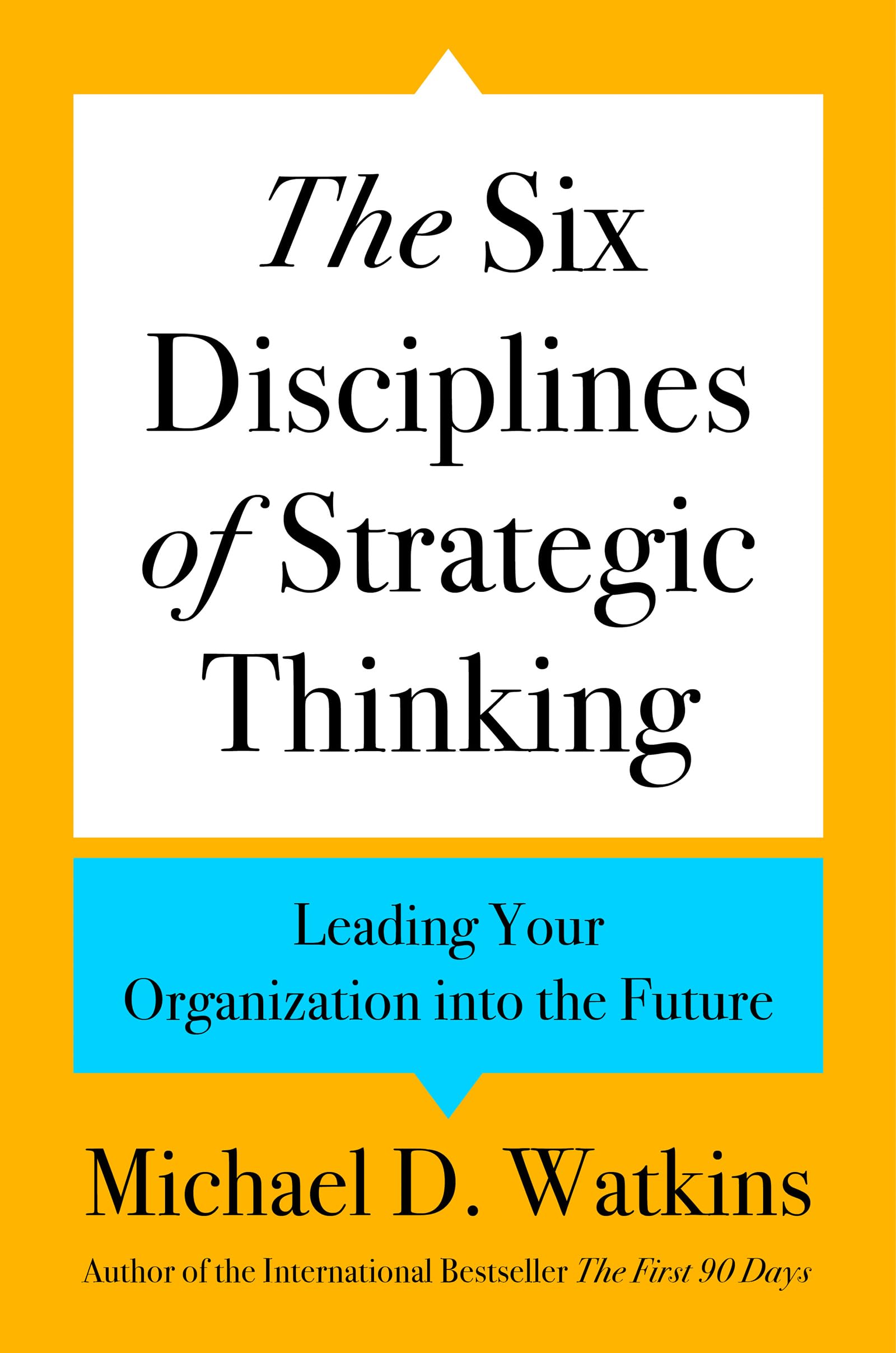
Michael Watkins, in his insightful book, presents six disciplines that can elevate strategic thinking from a buzzword to a powerful practice for public relations people and all professionals. Here are the Six Disciplines of Strategic Thinking.
- Pattern Recognition
Pattern recognition is the ability to identify trends and recurring themes in data and experiences. Strategic thinkers use this discipline to analyze past events, draw parallels, and predict future outcomes. This skill allows leaders to:
- Anticipate Changes: By recognizing patterns, leaders can foresee shifts in market dynamics and prepare strategically.
- Leverage Experience: Learning from previous successes and failures enables more effective decision-making.
However, you must be careful not to fall into the trap of the invisible gorilla. Do remember that focusing too intensely on one task can render you blind, in essence, to things that would typically draw your gaze.
That way you don’t fall into the trap of “The Invisible Gorilla.”
- Systems Analysis
Systems analysis involves understanding how different components within a system interact with one another. This discipline encourages strategic thinkers to view problems holistically rather than in isolation. By employing systems analysis, leaders can:
- Recognizing the relationships between various elements helps in understanding complex issues.
- Effective systems analysis can lead to more efficient allocation of resources, enhancing overall performance.
- Mental Agility
Mental agility refers to the capacity to adapt quickly to changing circumstances and think flexibly. This discipline is essential for navigating the uncertainties of the business landscape. Leaders who cultivate mental agility can:
- Shift Perspectives: Adapting strategies in response to new information allows for more innovative solutions.
- Solve Problems Creatively: Flexible thinking promotes the exploration of unconventional options, leading to breakthrough ideas.
- Structured Problem Solving
Structured problem solving is a disciplined approach to dissecting challenges and developing solutions. This methodology involves breaking down problems into manageable parts and systematically addressing them. Benefits of structured problem solving include:
- Clarity and Focus: A structured approach ensures that all aspects of a problem are considered, reducing the likelihood of oversight.
- Effective Solutions: By following a logical process, leaders can generate more effective and sustainable solutions.
- Visioning
Visioning is the ability to create a compelling future vision that inspires and guides an organization. This discipline is critical for setting long-term goals and aligning team efforts. Leaders who excel in visioning can:
- Inspire Teams: clear and motivating vision fosters engagement and commitment among team members.
- Guide Strategic Decisions: Vision acts as a compass, helping leaders make choices that align with long-term objectives.
- Political Savvy
Political savvy is the ability to navigate organizational dynamics and build relationships that can facilitate strategic initiatives. This discipline involves understanding the informal networks and power structures within an organization. Leaders with strong political savvy can:
- Influence Stakeholders: Effective relationship-building enables leaders to garner support for their initiatives.
- Manage Conflicts: Navigating complex interpersonal dynamics helps in resolving conflicts and fostering collaboration.
Final word for PR people
“Strategy is about setting yourself apart from the competition. It’s not a matter of being better at what you do – it’s a matter of being different at what you do.”— Michael Porter
“The future is already here – it’s just not evenly distributed.” — Willian Gibson