
How Mike Tyson’s final fight at almost 60 became a masterclass in PR resilience
The tougher they come, the harder to fall
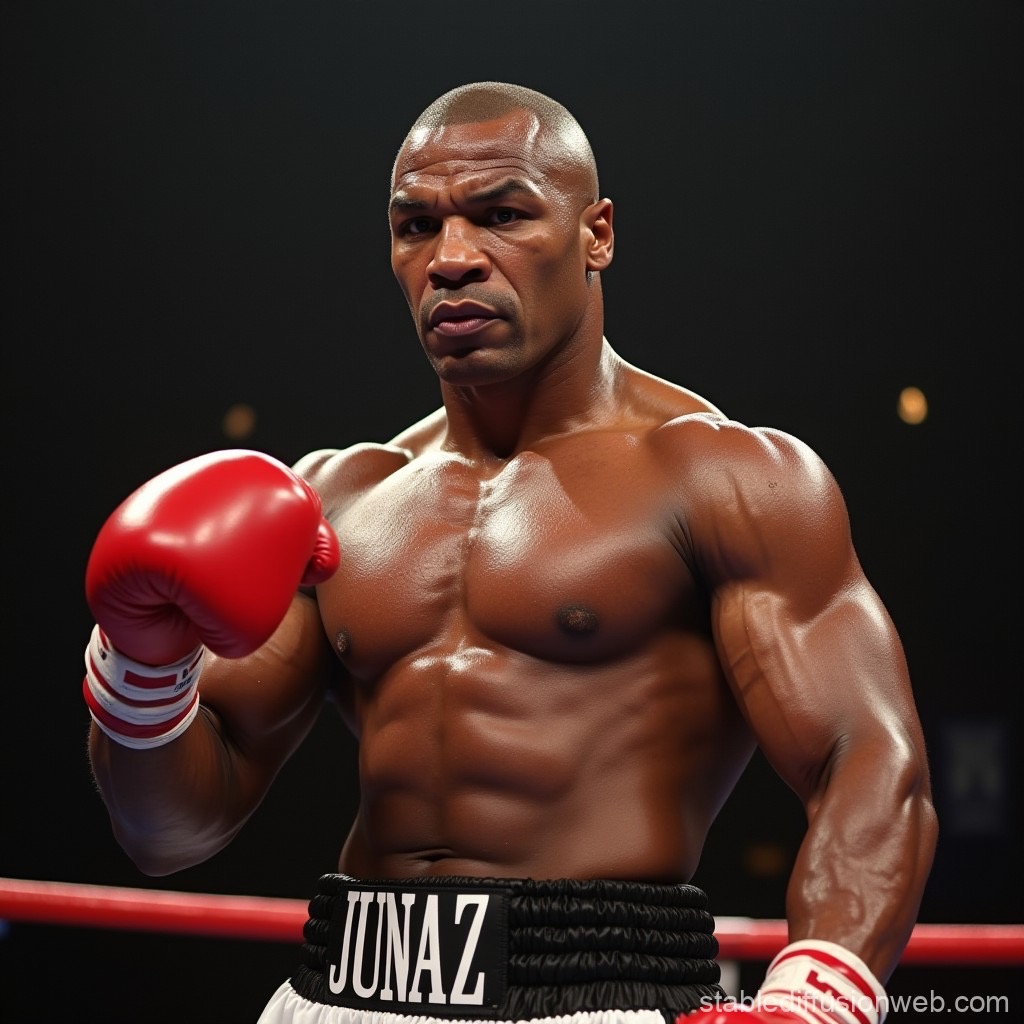
At almost 60 years old, Iron Mike Tyson stepped into AT&T Stadium carrying more than decades of boxing history—he carried a narrative that had nearly ended in tragedy just weeks earlier.
And although Jake Paul, 27, walked away with a unanimous decision victory, Tyson’s performance became something else entirely: a real‑time lesson in reputation, narrative control, and public relations.
Tyson went all eight rounds in the Netflix‑streamed bout, ultimately losing on points to the YouTuber‑turned‑boxer. But the fact he was even able to fight bordered on miraculous.
The match had originally been scheduled for July 20, but Tyson suffered a medical emergency mid‑flight due to an ulcer flare‑up, forcing an immediate postponement. He later revealed the severity: he lost half his blood, dropped 25 lbs, and required eight blood transfusions to recover.
After the fight, Tyson made it clear that the true victory wasn’t on the scorecards—it was simply making it back into the ring.
Tyson tweeted: “This is one of those situations when you lost but still won… I almost died in June. Lost half my blood and 25 lbs in the hospital and had to fight to get healthy to fight — so I won.
To have my children see me stand toe‑to‑toe and finish 8 rounds with a talented fighter half my age… is an experience no man has the right to ask for. Thank you.”
Five takeaway lessons for Public Relations professionals

-
Narrative framing is everything
Tyson didn’t just fight—he framed the fight. By positioning his return as a triumph over a near‑death experience, he shifted the story from defeat to resilience.
PR pros should remember: the frame often matters more than the outcome.
-
Control the narrative before others do
Tyson shared his medical crisis himself, on his own terms. In PR, proactive transparency prevents speculation and builds trust. When you own the story, you shape how the world receives it.
-
Vulnerability is a strategic asset
By revealing his struggle, Tyson transformed himself from a legendary fighter into a relatable figure. For brands, vulnerability—when real and purposeful—can deepen connection and reshape reputation.
-
Moments matter more than metrics
Tyson didn’t win on points, but he won the moment. PR professionals should remember that emotional impact often outweighs numerical outcomes. A single powerful moment can redefine public perception.
-
Legacy is built through consistency, not perfection
Tyson showed up, fought eight rounds, and finished strong. In PR, consistency—showing up, communicating clearly, staying present—builds long‑term authority. Perfection is optional; presence is essential.