How FIFA Almost Sold Off the World Cup: A Story of Big Money and Bad Public Relations
Show me the money

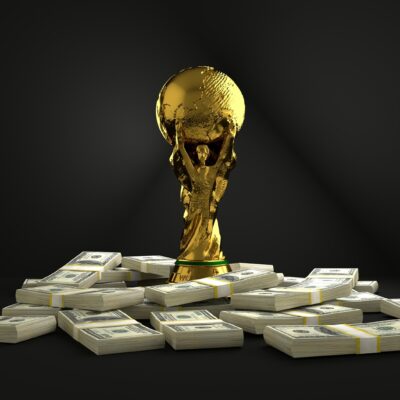
In mid-2026, global soccer came dangerously close to a major turning point. FIFA, the sport’s international governing body, quietly lined up a plan to sell a portion of its biggest asset: the FIFA World Cup
What was designed behind closed doors as a multi-billion-dollar private equity deal quickly exploded into a global crisis. Within days, threats of player public relations boycotts, fury from regional federations, and intense public outrage forced FIFA to scrap the idea entirely.
Here is how FIFA almost sold off the World Cup—and why the deal collapsed so fast and set off a public relations disaster.
The Secret Deal
The project purported to sell a 20 per cent stake in FIFA to a group of investors led by Joshua Kushner, the brother of President Trump’s son-in-law Jared Kushner. Such a move would put into private hands a portion of the World Cup, an event that has been run and controlled by FIFA, a nonprofit in Zurich, for 96 years.
The plans, drawn up over months amid great secrecy in conjunction with Joshua Kushner’s fund Thrive Eternal and JPMorgan Chase, had been kept secret from all but fewer than a handful of soccer executives
At the center of the controversy was a plan to create a new commercial company, FIFA Forward Enterprise.
FIFA wanted to split its operations into two parts:
- The Non-Profit Side: Handling rules, refereeing, and governance.
- The Commercial Side: Putting match rights, global sponsorships, ticketing, and marketing under the new company.
The business plan was massive. The new commercial company was valued at $20 billion.
To convince national soccer federations to agree, FIFA promised each of its 211 member countries an immediate $20 million payout.
PR Disaster: Why the Plan Blew Up
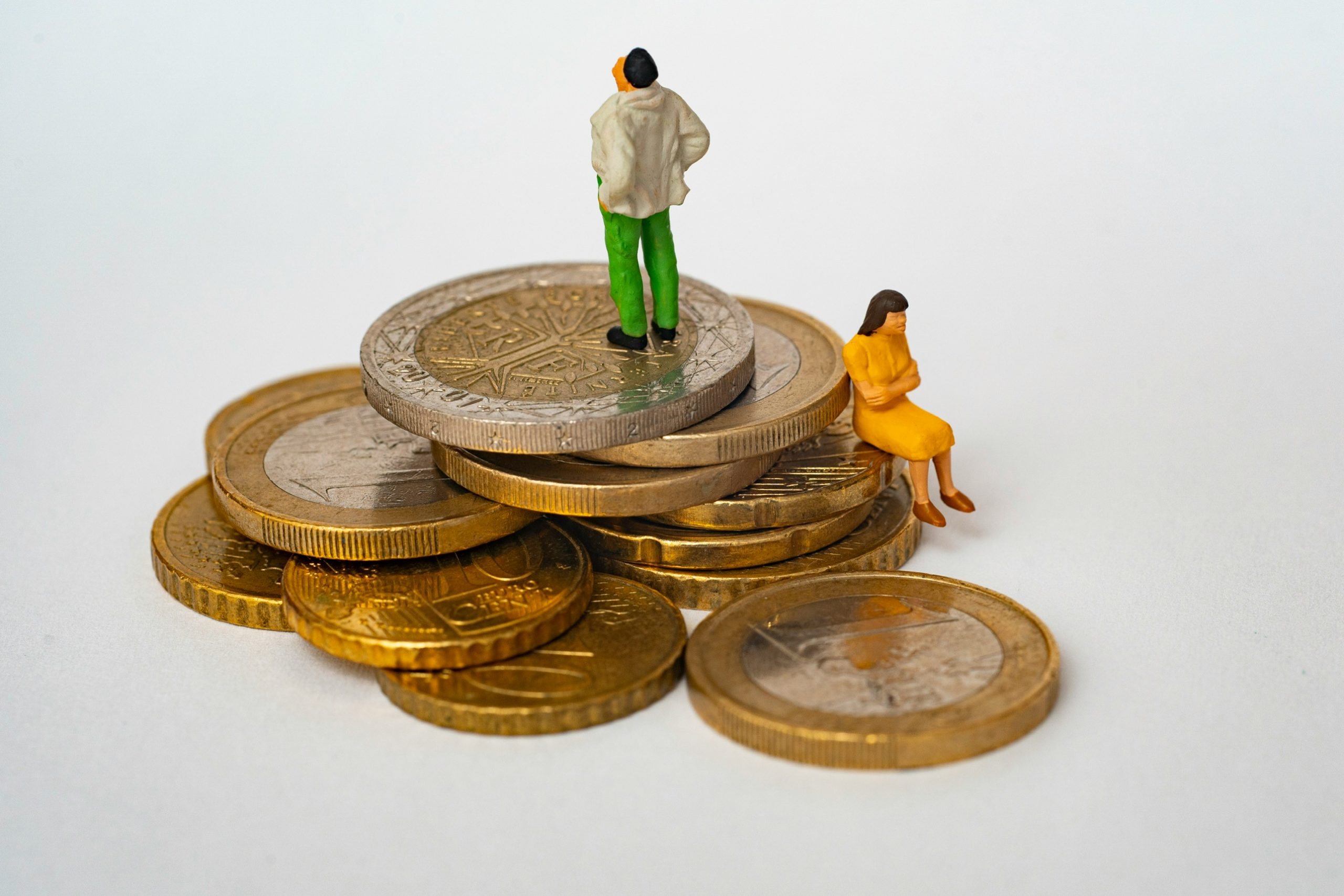
The deal wasn’t stopped by financial issues—it was stopped by anger over how it was handled. FIFA leadership negotiated the deal in secret, keeping continental soccer leaders and even its own council members in the dark.
Once news of the deal leaked, the reaction was swift and fierce:
- The Boycott Threat: European soccer’s governing body (UEFA) made it clear that European national teams would boycott future World Cups if commercial rights were handed over to private investors.
- Global Resistance: Regional federations across North America, South America, and Asia joined UEFA in rejecting the plan, criticizing the total lack of transparency.
- Resignations: High-ranking advisers resigned in protest, while FIFA’s own staff pushed back internally.
- Fan & Player Outrage: Critics warned that private equity investors would force FIFA to cram more games into the calendar, hike ticket prices, and prioritize profit over player health and fan tradition.
The Apology, Retreat and PR Damage Control
Faced with a complete mutiny, FIFA President Gianni Infantino pulled the plug on the project. Days later, FIFA sent a formal apology letter to all 211 member nations, admitting they made major mistakes:
“We acknowledge that there were errors in the proposal… It was never our aim to exclude the FIFA Council and the member federations from this process. We should have acted differently.”
Key Lessons for Business and PR Leaders
The near-sale of the World Cup offers important lessons for any business handling a major brand:
- Involve key stakeholders early: You cannot negotiate behind closed doors and expect people to fall in line later.
- Money can’t buy trust: A $20 million check wasn’t enough to buy off federations who felt their trust had been broken.
- Protect the heart of the brand: A beloved cultural event cannot be treated like a simple financial commodity.
- Transparency is non-negotiable: Trying to force a massive change in secret destroys credibility. Key stakeholders must be consulted before decisions are made, not informed afterwards.
- Financial payouts cannot buy trust: Promising a $20 million check to member nations couldn’t overcome the anger caused by broken trust and poor governance.
Read more